Description
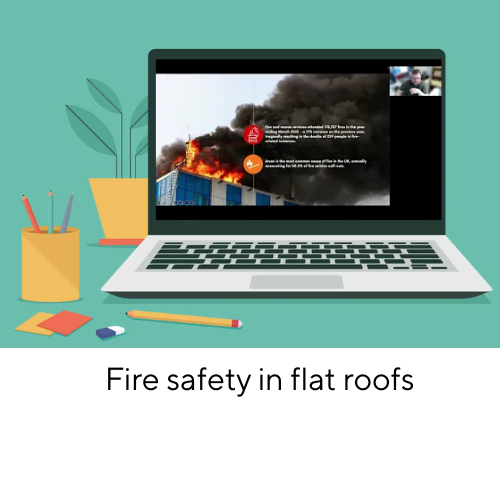
Mike Williams outlines evolving fire safety regulations and roofing compliance standards post-Grenfell, emphasising the need for non-combustible materials, proper roof system selection, and rigorous adherence to Approved Document B and fire test protocols (e.g., B roof T4), particularly for high-rise and complex buildings.
Key Points:
- Post-Grenfell Regulatory Reform and Material Standards:
- The Grenfell Tower disaster sparked a systemic review of fire safety, with Dame Judith Hackitt’s report calling out widespread industry failings.
- Regulations now push for non-combustible materials, especially in buildings over 18 meters (England) or 15 meters (Scotland/Wales).
- Insurance companies increasingly mandate higher fire-resistance standards and influence design/material choices.
- Flat Roof Compliance and Fire Testing (B Roof T4):
- Flat roofing systems must meet Approved Document B, particularly sections B3 (internal fire spread) and B4 (external fire spread).
- The B roof T4 test is now the UK standard, considered stricter than T1–T3 tests in other European countries.
- Compartmentation, fire stopping, and avoiding combustible insulation are critical for safe roofing assemblies.
- Design Considerations and Material Selection:
- Warm roofs and inverted roofs are preferred over cold roofs (which have high failure rates due to condensation).
- Single-ply and PMMA systems reduce fire risks; vacuum insulation offers high performance in thinner layers.
- For balconies, green roofs, and solar panels, fire-resistant build-up, breaks, and certified installers are required to maintain compliance.
Learning Objectives:
- Recognise current UK fire safety regulations impacting flat roofs and understand the role of Approved Document B and B roof T4 testing in compliance.
- Differentiate roofing systems and materials based on their fire resistance, insulation properties, and suitability for various building types.
- Apply best practices in design, installation, and inspection for high-risk elements like solar panels, green roofs, and upstands, with an emphasis on early collaboration and certified professionals.