Description
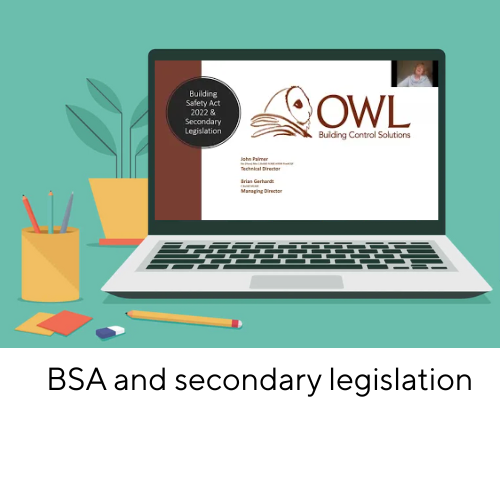
John Palmer outlines critical changes introduced by the Building Safety Act 2022, emphasising enhanced accountability, procedural clarity, and professional competence to transform building safety culture in response to the Grenfell tragedy.
Key Points:
- New Regulatory Framework & Duty Holders:
- The Building Safety Act 2022 establishes the Building Safety Regulator (BSR) and introduces stricter compliance rules for higher-risk buildings.
- New legal obligations for clients, principal designers, and contractors clarify roles, especially for domestic projects, with explicit registration and competence standards.
- Procedural Reforms & Accountability:
- From October 1, 2023, new procedural rules demand timely notifications (e.g., commencement, duty holder appointments), formal compliance declarations, and clearer project phase transitions.
- Failure to meet deadlines (e.g., 3-year reapplication for stalled projects) or register appropriately can invalidate approvals or raise liability risks.
- Competency, Registration & Future Directions:
- Registration and licensing schemes for building control professionals now include protected titles and regular competency checks via assessments and interviews.
- Future developments may involve mandatory licensing of contractors, driven by liability insurance, especially under the extended 15-year defect liability of the Defective Premises Act.
Learning Objectives:
- Understand the expanded responsibilities of duty holders under the Building Safety Act 2022, including procedural and compliance requirements.
- Identify the implications of new building control rules, including registration, commencement criteria, and compliance declarations for final certification.
- Evaluate how professional competency and accountability mechanisms (including licensing, BSR oversight, and insurance liabilities) are reshaping building safety standards post-Grenfell.