Description
This session provides an in-depth overview of pest identification, health implications, legal responsibilities, and control methods for a wide range of pests, equipping viewers to manage infestations effectively and safely.
3 Key Points
- Recognizing Signs of Infestation: Chew marks, droppings, smear marks, nesting material, and pest behavior (e.g. kinesthetic memory in rodents) are crucial indicators of infestations by rodents, cockroaches, and insects.
- Pest-Specific Management & Legal Considerations: Pest control varies by species, e.g., house mice, field mice, cockroaches, birds, and bees, all of which have unique behaviours and in some cases, legal protections (e.g., bats and birds under the Wildlife and Countryside Act).
- Professional Intervention & Public Health: Many pests, including cockroaches, flies, and rodents, pose serious health risks. Professional pest control ensures safe removal, hygiene, and compliance with legal standards like the Prevention of Damage by Pests Act.
3 Learning Objectives
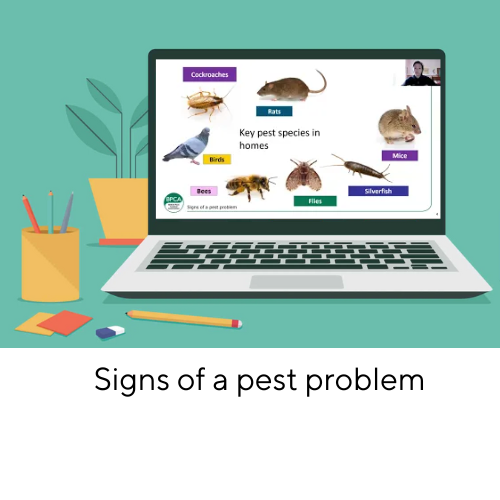
- Identify common signs of pest activity and differentiate between key species such as mice, rats, cockroaches, and silverfish.
- Understand the public health risks, behavioral patterns, and environmental factors associated with pest infestations.
- Apply appropriate legal and professional measures for effective pest control, including when to involve licensed specialists and how to prevent re-infestation.