Description
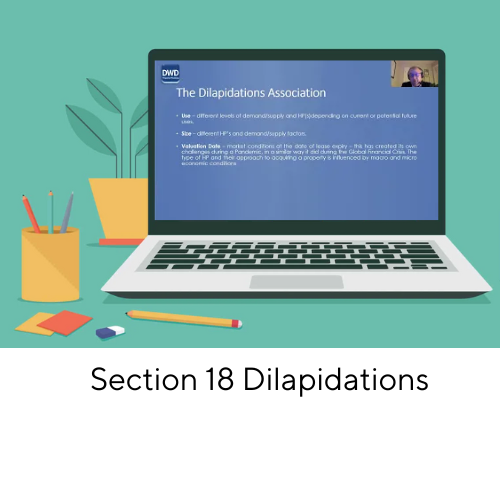
This session unpacks the application and challenges of Section 18 of the Landlord and Tenant Act 1927, focusing on how dilapidation claims are assessed, the role of property valuations, and the evolving debate over the necessity of dual valuation methods in establishing landlord loss.
Key Points:
- Section 18 and the Diminution in Value Test:
Section 18(1) caps damages for tenant breaches by the actual loss in property value, requiring two valuations: one in repair and one out of repair, though this traditional method is increasingly being challenged as inefficient and outdated. - Valuation Complexity and Subjectivity:
Property valuation in disrepair cases is subjective, highly context-dependent, and often disputed. Key factors include hypothetical purchasers, market conditions, void costs, and redevelopment potential, making each case legally and financially nuanced. - Shifting Legal and Professional Practice:
Experts and courts are leaning toward a simpler, loss-focused valuation model that reflects what a reasonable landlord might do, potentially bypassing dual valuations and reducing legal costs, especially when repairs have already been undertaken.
Learning Objectives:
- Understand the legal foundation and intent of Section 18 of the Landlord and Tenant Act 1927.
- Evaluate the pros and cons of traditional dual valuation methods in dilapidation claims.
- Analyse alternative approaches to assessing diminution in value, including market-informed loss valuation based on tenant expectations.
- Recognise the significance of hypothetical purchasers, reversionary interest, and market trends in shaping valuation outcomes.
- Identify practical challenges faced by valuers, landlords, and tenants in legal disputes over property disrepair and repair obligations.