Description
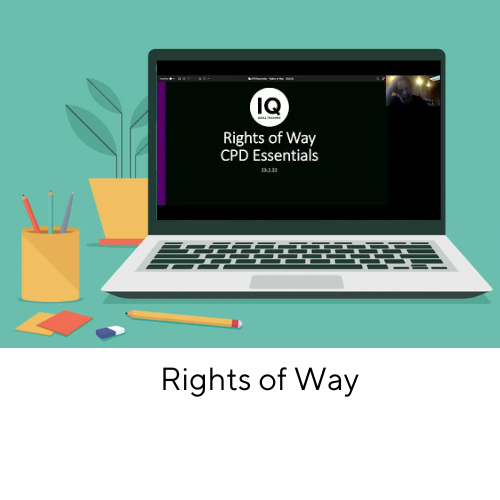
Ian Quayle’s presentation equips conveyancers with practical and legal insights into private rights of way and easements, emphasising the need for express, registered easements that align with client objectives and avoid the pitfalls of implied or prescriptive rights.
Key Points
- Express Easements Provide Clarity and Protection
Legal easements should be created by deed and registered to ensure enforceability, avoid ambiguity, and align with future land use plans. - Implied and Prescriptive Easements Pose Risk
Rights of way based on historical use or implication often lack clarity, making them susceptible to disputes, especially regarding scope, maintenance, and intensity of use. - Future-Proofing and Maintenance Clauses Are Crucial
Easements should include detailed plans, repair obligations, and flexibility for future development to minimise litigation and accommodate evolving landowner needs.
Learning Objectives
- Differentiate between legal, equitable, implied, and prescriptive easements and understand their implications in conveyancing.
- Assess client needs to draft easements that support current and future land use, including development or change of use.
- Identify common pitfalls in easement creation, such as unclear scope, excessive use, or absent repair clauses, and apply strategies to mitigate these risks.