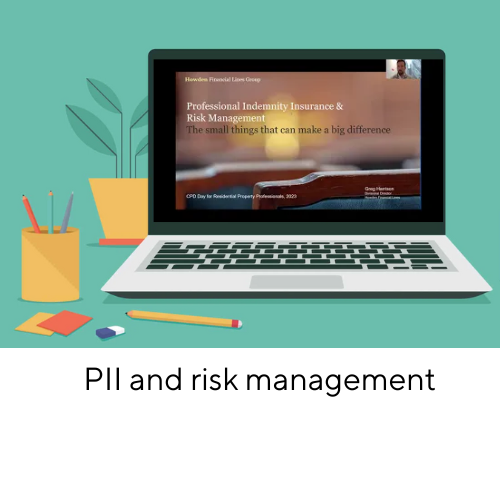
Description
Greg Harrison outlines the recovery of the professional indemnity insurance market post-COVID and Lloyd’s reviews, stressing the importance of proactive risk management, early engagement, and effective communication to secure favourable terms and protect firms against liability.
Key Points:
- Market Conditions Are Stabilizing, But Diligence Remains Essential
Since the 2018 Lloyd’s performance review and COVID-19, the PII market experienced hardening. Now, insurers are regaining capacity and offering broader cover, including fire safety, while premium rates are levelling. However, firms must continue providing comprehensive information and starting renewals early to maintain leverage. - Risk Management and Documentation Are Critical
Poor documentation, human error, and miscommunication are key drivers of PII claims. Proper supervision, realistic client expectations, and careful contract negotiation can reduce exposure. Insurers favour firms that demonstrate strong internal risk protocols and file retention practices aligned with GDPR and legal standards. - Claims, Runoff Cover, and Policy Terms Require Strategic Planning
Distinguishing between a claim and a “circumstance” is crucial, notify insurers early but sensibly. When closing a firm, runoff cover (usually six years) must be considered. Liability caps in contracts and realistic excess/rebate terms can manage future risk. Firms should regularly review file retention policies and be cautious about accepting work beyond their expertise.
Learning Objectives:
- Understand current trends and capacity shifts in the PII market post-COVID and post-Lloyd’s review.
- Apply effective renewal strategies, including early engagement, risk transparency, and long-term policy considerations.
- Implement risk mitigation practices through strong documentation, clear client communication, and contractual discipline.