Description
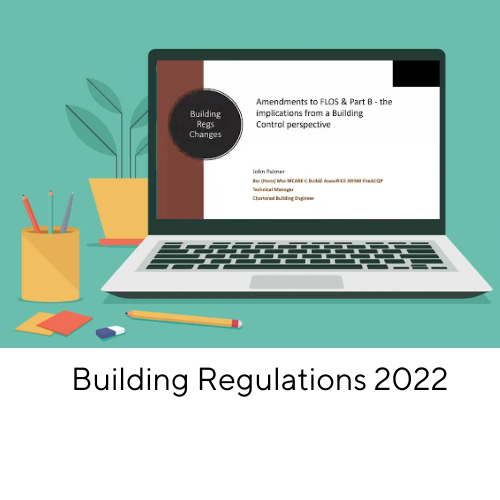
This presentation explores critical changes in UK building regulations affecting ventilation (Part F), energy efficiency (Part L), overheating (Part O), fire safety (Part B), and sustainability (Part S), with a focus on compliance, documentation, and the evolving role of building professionals.
Key Points:
- Part F mandates enhanced ventilation standards, phasing out recirculating cooker hoods and necessitating MVHR systems in airtight buildings.
- Part L introduces stricter U-value targets (e.g., 0.15 for roofs, 0.18 for walls), requiring photographic evidence, SAP assessor sign-off, and revised practices for extensions and retrofits.
- Part O addresses overheating in new homes, requiring glazing limits and, in complex cases, TM59 thermal modeling.
- Part S mandates electric vehicle (EV) charging points in new residential buildings, with exceptions needing early justification.
- Fire safety (Part B) has been tightened post-Grenfell, banning combustible materials in more situations and simplifying guidance.
- The Building Safety Regulator (BSR) will oversee all building control bodies, emphasising inspector competency and compliance audits.
Learning Objectives:
- Understand how the latest changes to Parts F, L, O, S, and B impact design, construction, and compliance for both new builds and renovations.
- Apply updated requirements for ventilation, insulation, overheating prevention, and EV infrastructure in residential projects.
- Navigate regulatory shifts, including the removal of ACDs, expanded SAP assessor responsibilities, and evolving fire safety standards.
- Prepare for enhanced documentation and audit trails through thermal photography, BR reports, and written justifications.
- Recognise the growing role of the BSR in enforcing competency and regulatory compliance across the construction industry.